
How to Verify a Trucking Company Before You Give Them a Load
Everything you need is public and free. Ten minutes in the FMCSA database tells you more about a carrier than any sales call.
Notes on how truckload freight actually works — vetting carriers, reading a safety record, and the things that quietly decide whether a load arrives on the appointment.
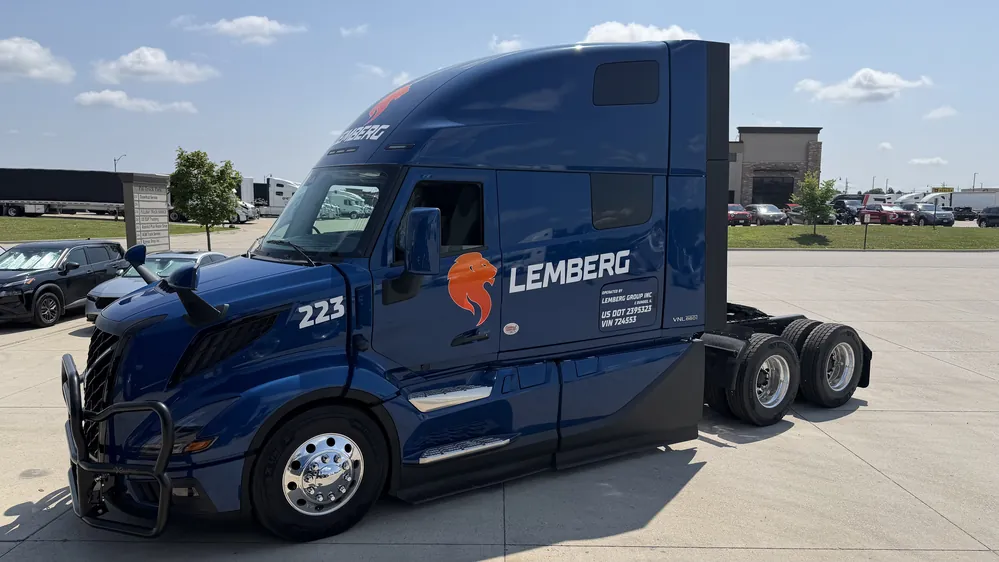
Everything you need is public and free. Ten minutes in the FMCSA database tells you more about a carrier than any sales call.
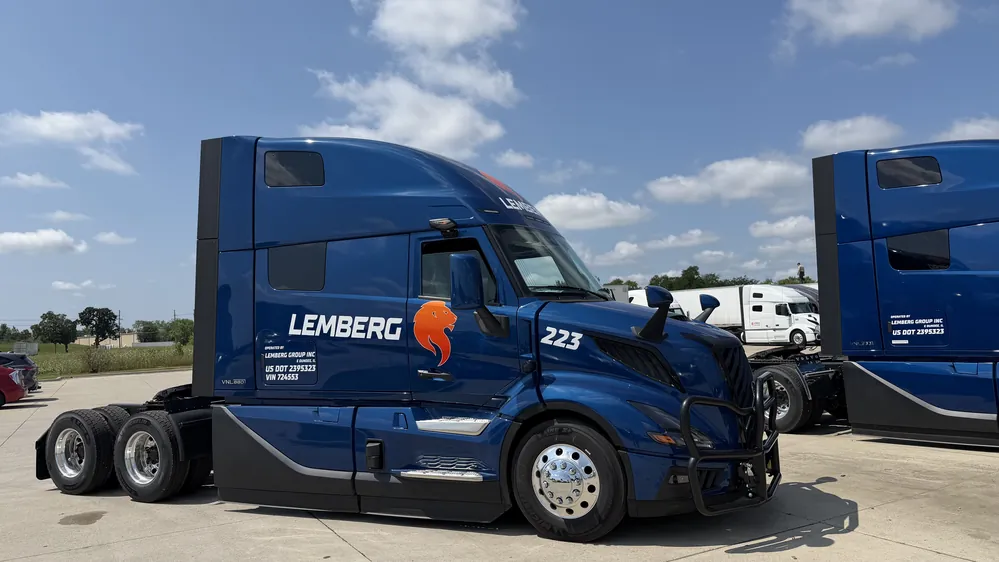
Both can move your freight. The difference shows up on the day something goes wrong — in who owns the truck, and who owns the problem.
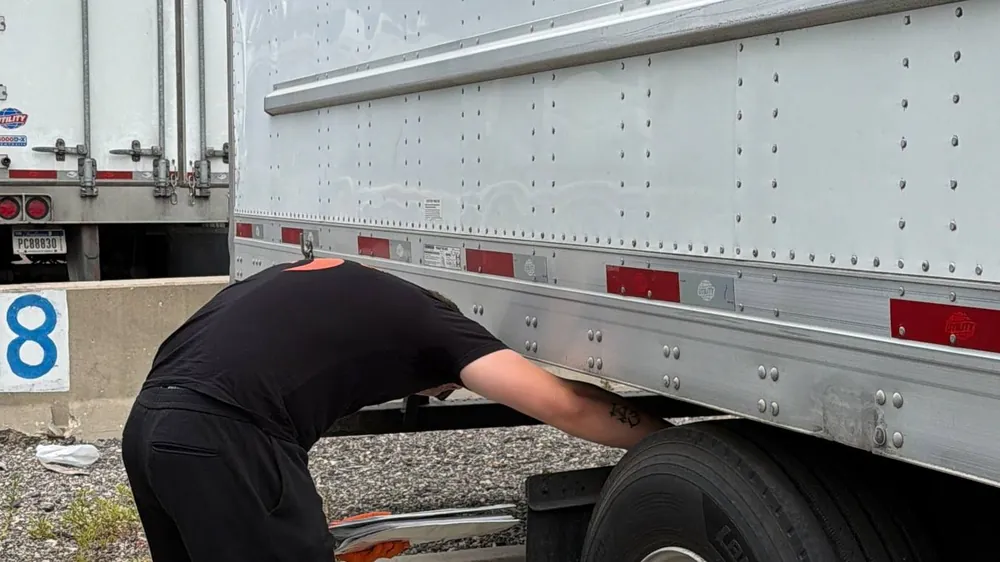
Two extra hours at your facility rarely costs two hours. Because of how driving hours work, it often costs the next delivery appointment.
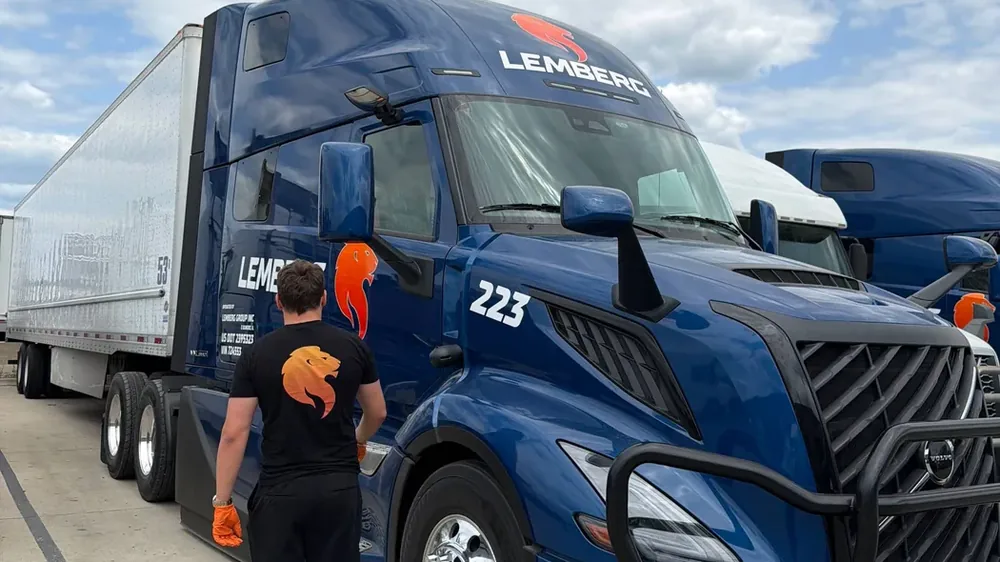
Twenty-six pallets, somewhere around 45,000 pounds, and a door opening lower than the ceiling behind it. The numbers worth settling before the load is tendered.
A staged trailer takes the clock out of loading. It also takes a trailer out of circulation, which is why the arithmetic only works above a certain volume.
Setup runs in both directions. What we send you, what we need back, and which missing detail delays a first load more often than any document.