
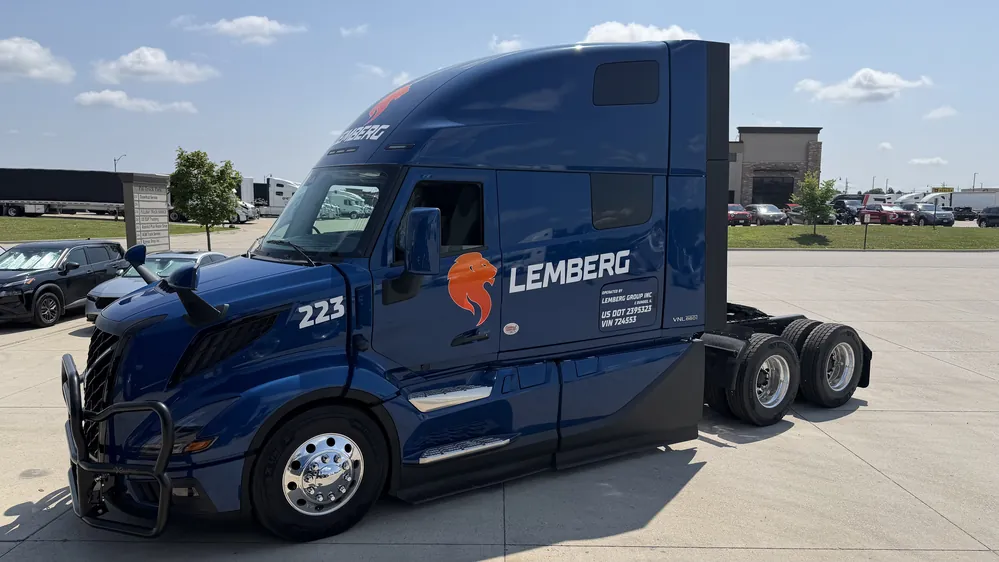
Start with the number on the door
Every interstate motor carrier in the United States operates under a USDOT number, and by law it has to be displayed on the vehicle along with the legal name of the company operating it. That number is the key to everything else. Put it into the FMCSA's SAFER system and you get the carrier's own record, maintained by the regulator rather than by the carrier's marketing department.
If a company will not give you its USDOT number, that is the end of the conversation. There is no legitimate reason to withhold it.
Check that the authority is active — and how long it has been
The snapshot shows operating status and the date the authority was granted. Two things matter here. First, the status has to read active: authority can be revoked for lapsed insurance and reinstated later, and a carrier in that gap cannot legally haul your freight. Second, look at the date. A company that has run under the same number for a decade has a record you can examine. A number issued four months ago has nothing behind it.
Worth knowing: an operator whose authority is revoked can register a new entity and start again with a clean slate. That is why the age of the authority, and whether the operating name has changed, tells you more than the polish of the website.
Confirm insurance is actually on file
SAFER shows whether the required insurance filings are current. This is not the same as someone emailing you a certificate. Certificates can be out of date or, occasionally, fabricated. Ask for the certificate of insurance to come directly from the carrier's insurance agent, with your company named as certificate holder, and check that the coverage limits match what your own procedures require.
Read the safety record, not just the rating
Many carriers have never been assigned a formal safety rating, which is normal — a rating follows a compliance review, and not every carrier has had one. What is always there is the inspection history: how many roadside inspections in the last two years, and how many put a vehicle or driver out of service.
Compare the out-of-service percentages against the national averages shown alongside them. A carrier well above average on vehicle out-of-service is telling you something about how its equipment is maintained, and that eventually becomes your late delivery.
Four red flags worth a second look
- The address does not match. A carrier whose registered address is a residential unit two states away from where it claims to operate deserves a question.
- Authority granted very recently, on a very old-sounding company. Marketing that says "serving shippers since 2009" next to authority granted last spring is a mismatch you should ask about.
- No assets. The record shows the number of power units and drivers the carrier has reported. If a company presenting itself as a carrier reports one truck and is quoting you fifteen loads a week, someone else is moving that freight.
- Reluctance about the paperwork. A carrier that hesitates over a W-9, a signed agreement or a certificate of insurance is telling you how the claims conversation will go.
Ask one question the database cannot answer
Public records tell you whether a carrier is legitimate. They do not tell you whether the freight will move on that carrier's own equipment. Ask directly: will this load be run on your trucks, with your drivers, under your authority? A carrier that owns its equipment will answer immediately. If the answer is vague, the load is going back onto a load board, and the company you vetted is not the company hauling your freight.