
The plain difference
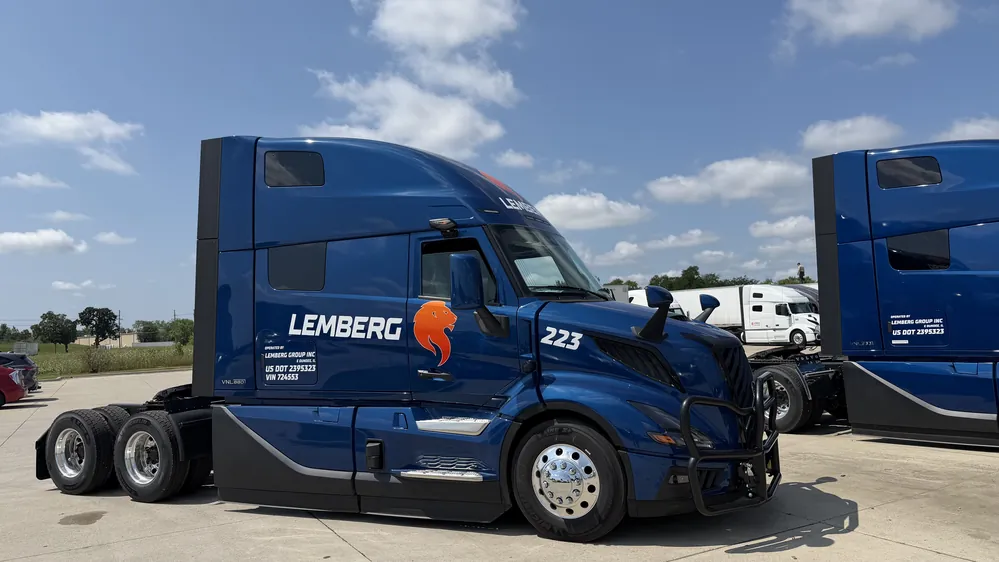
An asset-based carrier owns trucks and employs or contracts drivers, and moves your freight itself under its own operating authority. A freight broker owns no trucks. It arranges transportation by finding a carrier that does, and takes a margin for the arrangement.
Both are legitimate, both are licensed, and both have their place. What changes is the chain of responsibility behind your shipment.
Where the liability sits
When a carrier hauls your load, that carrier is the one with cargo liability for it. If the freight is damaged, the claim goes to the company whose driver had it. When a broker arranges the load, the freight still moves on some carrier's insurance — the broker's own coverage is usually contingent, meaning it responds only in specific circumstances after the carrier's insurance has been pursued.
In practice this means the number of parties between you and the truck determines how long a claim takes. With a carrier, there is one conversation. With a broker, there are at least two, and you may not know who the second one is until something has already gone wrong.
The re-brokering question
The scenario worth understanding is double-brokering: a load is given to one party, which quietly passes it to another, sometimes more than once. The shipper believes the freight is with the company it vetted. It is not. When a claim or a theft follows, establishing who actually had the freight becomes slow and expensive.
This is why the question "will this move on your own equipment?" is worth asking every time, and why the number of power units a company reports to the FMCSA is worth a glance.
Where a broker genuinely helps
None of this makes brokers the wrong choice. A broker earns its margin when you need capacity a single carrier cannot supply: unusual equipment, a lane far outside anyone's network, a seasonal spike, or fifty loads next Tuesday in five different states. A good broker has relationships with hundreds of carriers and can find the one truck you need in a market you do not know.
The trade-off is control. You are buying access to capacity, not a relationship with the people driving.
What to ask, whoever you are talking to
- Are you a carrier or a broker on this load? Both answers are fine; the vague answer is not.
- If a carrier: how many trucks do you run, and will this one be yours?
- If a broker: which carrier will haul it, and can I see their authority and insurance?
- Who do I call at two in the morning, and will that person be able to decide anything?
The practical summary
Use a carrier when the lane is steady, the equipment is standard and you want the same people learning your facilities. Use a broker when you need reach or surge capacity that no single fleet can cover. Problems tend to start when a company is one thing and presents itself as the other.